Reduce collisions. Reduce risk.

The single biggest influence on whether a collision happens or not is driver behaviour. The Professional Development Plan (PDP) helps Operators reduce collision rates by reinforcing safer driving habits consistently over time.

The real cost of collisions

Most collisions result from driver behaviour – a decision made in a hurry, reacting to something that’s already happened rather than planning ahead, like following too close to the vehicle in front. When those habits change, collision rates fall and the wider cost to the operation follows.

Fewer collisions. Measurable impact.

The cost goes beyond the repair

Vehicle downtime, management time, third party claims and site damage all follow. The full cost is often significantly higher than it first appears

Most collisions are preventable

The majority result from driver behaviour. Addressing the behaviour is where the reduction starts

Lower insurance premiums

A sustained reduction in collision rates strengthens your insurance position and contributes to lower insurance premiums

The impact compounds over time

Operators who measure collision rates before and after structured development consistently see reductions

Most collisions start with a behaviour, not a moment of bad luck

These are everyday decisions, and they are behaviours that can be improved.

  • Loss of focus and complacency cause the most preventable collisions
  • Poor decision-making caused by reactive driving creates avoidable risk
  • Inappropriate speed increases stopping distances and collision severity
  • Slow-speed manoeuvring on site causes the most frequent vehicle damage

It’s not about blaming drivers – it’s about giving them the awareness and reinforcement to make better decisions consistently.

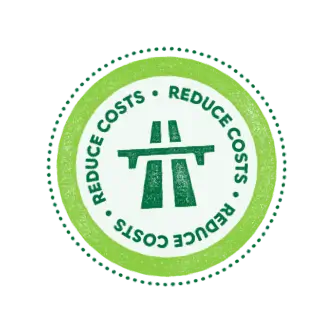
The Professional Development Plan is built to do exactly that, helping drivers understand these behaviours and improve them over time through consistent reinforcement.

Driver development that reduces collision risk

Consistent development, reinforced month after month, gradually shifts how drivers think about risk - until safer behaviour becomes the norm rather than the exception.

Monthly Toolbox Talks on collision risk and safe driving

Short, practical, focused learning covering the real behaviours that lead to collisions, taking just 15–20 minutes to complete

Consistent reinforcement

The same messages revisited regularly so driving behaviour improves over time, not just after a single briefing

Practical, relevant content

Focused, relevant content built around the decisions drivers actually make on the road

Full visibility for managers

Track engagement, completion and progress across your fleet in your live dashboard

The wider impact of fewer collisions

Improving driver behaviour doesn’t just help reduce your collision rate. It strengthens how your fleet performs.
  • Less vehicle downtime
    Fewer collisions means vehicles stay on the road and operations run without unexpected disruption to schedules and deliveries
  • Lower repair and damage costs
    A direct reduction in one of the most avoidable cost lines in fleet operations, including third party property and site damage
  • Reduced management pressure
    Less time spent investigating collisions, liaising with third parties, dealing with insurers and managing the administration that follows every collision
  • Stronger insurance position
    A consistent reduction in collisions over time contributes to a better claims history and lower insurance premiums
  • More confident, professional drivers
    Drivers who understand risk, take responsibility for their behaviour and feel valued by their employer

What Operators tell us

One of our clients worked it out carefully – each avoided slow-speed collision was saving them between £5,000 and £6,000. That figure covers management investigation time, vehicle off-road time, repair costs and third party rectification. On the kind of slow-speed manoeuvring collisions that happen most frequently – gate posts, parked vehicles, site exits – that number adds up quickly. Within year one, their collision rate had come down noticeably.

A 25-vehicle skip company saw it differently – in their insurance renewal. Gate post strikes, parked car contacts, site manoeuvring collisions – all down during their first year on the Professional Development Plan. The saving on their annual premium was £90,000. When asked what had changed, they were careful not to attribute it solely to the e-learning Toolbox Talks. But on reflection they said their drivers were coming in with questions – the e-learning was starting conversations that weren’t happening before.

Both Operators arrived at the same conclusion – the results came from changing behaviour consistently over time, not from a single training event. And in both cases, the financial impact went well beyond what they had expected.

Want to see how it works for your fleet?

See how easy it is to deliver consistent professional development to your drivers every month.

Case Studies

Ready to reduce collisions and risk across your fleet?

Get a closer look at how the Professional Development Plan works.