Improve fuel efficiency. The savings go further than you might think.

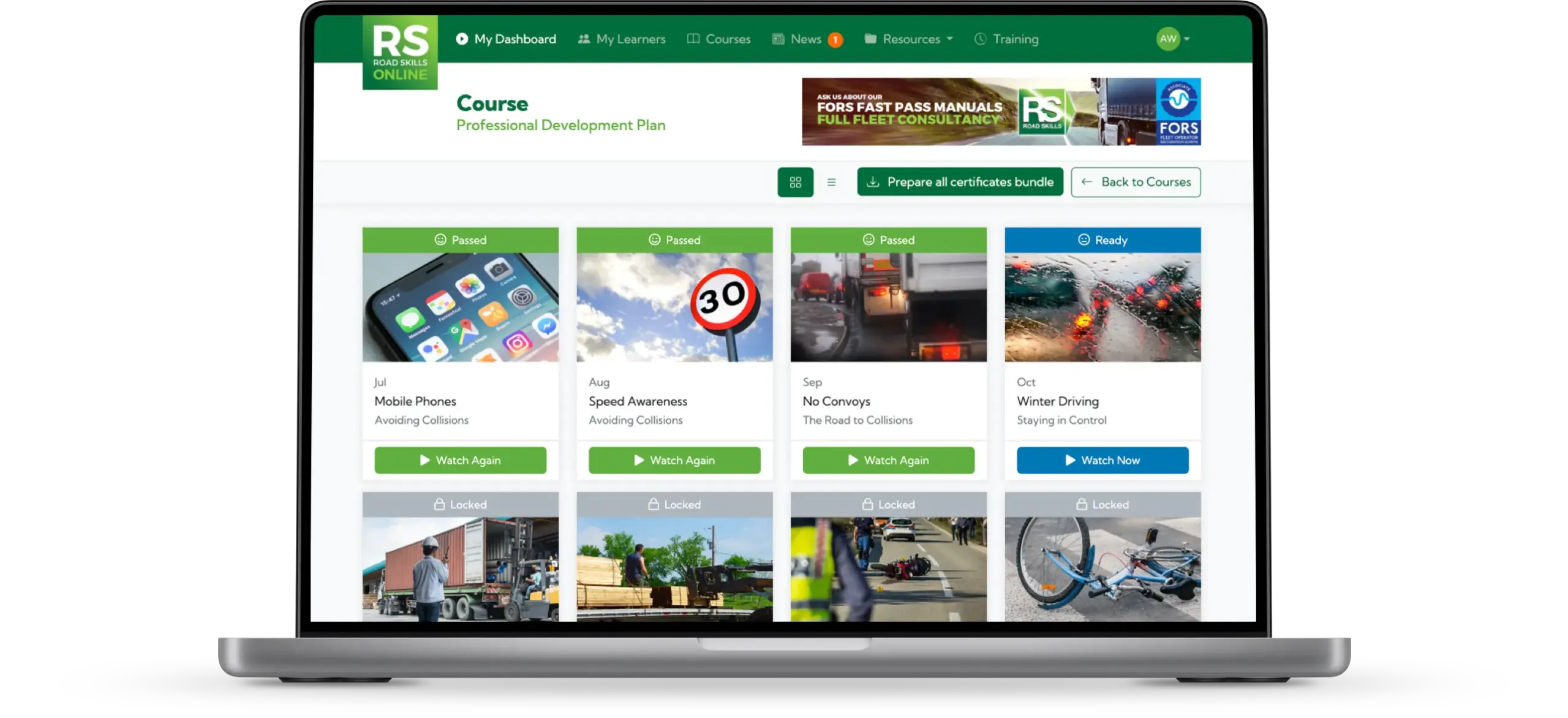
Fuel is not just a purchasing problem. The real opportunity is in how the vehicle is driven. The Professional Development Plan (PDP) helps Operators improve MPG and reduce avoidable fuel spend by building better driving habits that stick.

The real impact of driver behaviour on fuel use

Fuel efficiency isn’t just about the cost at the pump – it’s about how your vehicles are driven every day. Acceleration, braking, speed management, idling – these habits directly influence how much fuel your operation uses. Small inefficiencies across multiple drivers add up to a significant cost.

Small changes. Measurable savings.

Small improvements add up

A 3-10% improvement in MPG is achievable through better driver behaviour alone.

Every driver impacts fuel use

What seems small per driver becomes meaningful across the whole fleet.

The saving goes beyond fuel

Better driving reduces vehicle wear, tyre and brake costs and over time contributes to lower insurance premiums.

More control over fuel spend

Driver behaviour is one of the biggest influences on fuel costs. Address it and you take back control of the spend.

Fuel efficiency starts with how your drivers drive

These are everyday habits, and they are behaviours that can be improved.

  • Harsh acceleration and braking increase fuel consumption
  • Idling and inefficient driving waste fuel
  • Poor speed management reduces MPG
  • Inconsistent driving leads to inconsistent fuel performance

It’s not about big changes – it’s about giving drivers clear, practical guidance and reinforcing it consistently.

The Professional Development Plan is built to do exactly that, helping drivers understand these behaviours and improve them over time through consistent reinforcement.

Driver development that improves fuel efficiency

Small changes behind the wheel, applied consistently across your fleet, lead to measurable improvements in MPG, and the savings compound month on month.

Monthly Toolbox Talks

Short, focused learning that helps drivers understand how their behaviour directly impacts fuel use

Consistent reinforcement

The same messages revisited regularly so driving behaviour improves over time, not just after a single briefing

Practical, relevant content

Focused, relevant content built around the decisions drivers actually make on the road

Full visibility for managers

Track engagement, completion and progress across your fleet in your live dashboard

What it means for your operation

Improving driver behaviour doesn’t just reduce fuel costs. It strengthens how your fleet performs.
  • Lower fuel spend
    A 3-10% improvement in MPG is achievable through better driver behaviour. On a 25-vehicle fleet, a 3% gain is worth around £30,000 a year
  • Reduced vehicle wear
    Smoother driving extends tyre, brake and engine life, reducing maintenance frequency and cost
  • Reduced collision risk
    The same habits that improve MPG also reduce collision risk - address one and you address both
  • Lower insurance exposure
    A consistent reduction in incidents over time strengthens your position at renewal
  • Consistent performance across drivers
    Reduce variation in how vehicles are driven and bring your whole fleet closer to its most efficient

What Operators tell us

The results of better driver behaviour on fuel efficiency don’t always show up the way Operators expect. One Operator discovered this during their year-two review – their MPG had improved during a period when fuel prices rose significantly across the industry. For a fleet of 35 vehicles, maintaining the same spend while costs rose around them represented a significant saving – one they hadn’t initially connected to the Professional Development Plan at all.

Another Operator measured it directly. A small family-run fleet, careful with numbers, they came back after year one without being asked. A 3% reduction in fuel consumption, and they were clear that given how continuously their vehicles run, the saving would likely have been closer to 5% with more downtime between uses. On a 25-vehicle fleet, a 3% improvement in MPG is worth around £30,000 a year. The return on investment was covered many times over.

The habits that improve fuel efficiency are the same habits that reduce collisions and vehicle wear. Address driver behaviour consistently over time and the impact is felt across the whole business.

Want to see how it works for your fleet?

See how easy it is to deliver consistent professional development to your drivers every month.

Case Studies

Ready to improve fuel efficiency across your fleet?

Get a closer look at how the Professional Development Plan works.